2026-27 Leadership Candidates
Meet Your 2026-27 Leadership Candidates
As SDPA members prepare to vote, we invite you to review the candidates running for leadership positions in the 2026-27 term.
As a nonprofit professional association, we rely on individuals who are committed to advancing education, strengthening advocacy, and creating a supportive professional community for Dermatology PAs. The leaders you elect will help shape the future of our organization and profession—championing the initiatives, programs, and connections that matter most to our community.
Take time to learn about each candidate's vision, experience, and dedication to serving SDPA members. Your vote matters!
Secretary-Treasurer
Joe Cari, DMSc, PA-C
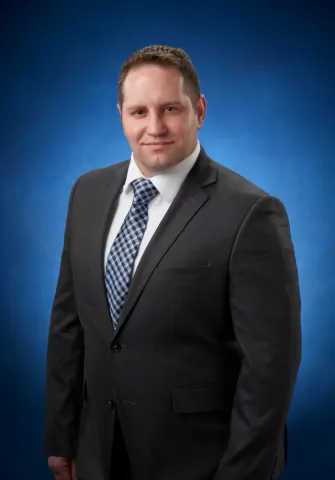
Watch Joe's Introduction Video Here
Read Joe's CV Here
Statement of Introduction
It is an honor to seek the position of Secretary-Treasurer for the Society of Dermatology Physician Associates. I currently serve as a Director-at-Large on the Board and remain deeply committed to strengthening our organization’s strategic direction, financial stewardship, and long-term impact for every dermatology PA.
I am a practicing dermatology PA at the University of Colorado Anschutz Medical Campus, where I care for patients across the full spectrum of medical dermatology and procedural care. Beyond clinical practice, I have led operational improvements within our department, including launching a formal dermatology PA student rotation, developing standardized Epic documentation systems, and implementing workflow redesign to increase team efficiency. These experiences have strengthened my understanding of structure, accountability, and sustainable systems—skills that directly align with the responsibilities of Secretary-Treasurer.
My professional journey has been shaped by diverse leadership experiences. I earned my Doctor of Medical Science degree to deepen my commitment to leadership, research, and professional advancement. Earlier in my career, I served as a United States Marine Corps Squad Leader, where I learned mission-focused leadership, disciplined execution, and responsibility for the performance and well-being of others. I later worked in advertising and marketing as a Director of Marketing and Art Director, gaining experience in strategic messaging, branding, and long-range planning. These roles shaped my leadership style—structured, strategic, and collaborative.
Within the Society of Dermatology Physician Associates, I have served as Junior House of Delegates Committee Officer, Senior House of Delegates Committee Officer, Chair of the Early Career DermPA™ Committee, and currently as Director-at-Large. Through these roles, I have worked to expand early-career support resources, contribute to governance discussions, and strengthen communication pathways between leadership and membership. I have also presented nationally at Society of Dermatology Physician Associates conferences on topics including professional development, contracts, and patient experience.
If elected Secretary-Treasurer, I would bring three core commitments to this leadership role.
First, financial stewardship with transparency and strategic foresight. The strength of any professional organization depends on responsible financial management and long-term planning. I would work to ensure that the Society of Dermatology Physician Associates maintains strong reserves, responsibly invests in member programming, and allocates resources in alignment with our strategic priorities.
Second, operational excellence and governance integrity. The Secretary-Treasurer role requires organization, detail orientation, and consistency. My experience implementing clinical systems, standardizing documentation, and completing advanced leadership training has prepared me to approach governance processes with precision and accountability.
Third, member-centered growth and engagement. The value of the Society of Dermatology Physician Associates lies in its members. We must continue expanding structured mentorship pathways, mid-career leadership development opportunities, and advocacy education. As dermatology PAs face variability in autonomy, reimbursement, and recognition across states, our organization must remain a steady, unified voice advocating for professional advancement.
The dermatology PA profession is entering a pivotal era. Demand for dermatologic care continues to rise, workforce shortages persist, and healthcare delivery models are evolving rapidly. Dermatology PAs are uniquely positioned to expand access, improve outcomes, and lead innovation. The Society of Dermatology Physician Associates must continue strengthening its role as the central hub for education, advocacy, and leadership development to support that growth.
My motivation for serving is simple: service to the profession that has given me so much. The Society of Dermatology Physician Associates has shaped my professional journey, connected me to mentors, and allowed me to grow as a leader. I believe in structured leadership, financial responsibility, open dialogue, and continuous improvement. I am committed to ensuring that our organization remains strong, forward-thinking, and member-driven.
It would be an honor to continue serving and helping guide the future of the Society of Dermatology Physician Associates as Secretary-Treasurer. I respectfully ask for your support.
What would you like to see SDPA achieve during your time on the Board?
I would like to see SDPA strengthen its role as thee location for dermatology PA education, professional development, and advocacy. My goal is to help expand structured mentorship pathways, enhance early- and mid-career support, and ensure SDPA maintains financial stability while growing member engagement. I hope to see SDPA increase its visibility as a national leader in dermatologic care and policy, ensuring every dermatology PA has a strong voice and clear opportunities for advancement.
Why are you interested in serving on the SDPA Board of Directors?
My interest in continuing to serve on the SDPA Board of Directors stems from my deep belief in the mission of the organization and the pivotal role SDPA plays in shaping the future of dermatology PAs. As a current Director at Large, I have had the privilege of witnessing firsthand the impact SDPA has on education, policy, leadership development, and professional growth across all career stages. I am running for the Secretary-Treasurer position because I want to further contribute to SDPA’s strategic direction, operational integrity, and long-term success.
SDPA is entering a critical era in which the profession must unify its voice both locally and nationally, strengthen its advocacy capabilities, and support PAs amid rapid changes in healthcare delivery. I want to help lead that effort. I believe strongly in supporting dermatology PAs through accessible education, structured mentorship, financial transparency, and consistent strategic planning. The role of Secretary-Treasurer carries substantial responsibility, including oversight of governance processes and financial stewardship. These are areas where my experience, attention to detail, and structured thinking will be an asset.
My leadership background has uniquely prepared me for this role. In my time as Chair of the Early Career DermPA™ Committee, I helped develop resources for new PAs that address real operational and clinical gaps. As a committee officer and now as a Director at Large, I have contributed to decision-making around organizational priorities, mentorship, and membership engagement strategies. Through my work at the University of Colorado, I have also gained substantial experience in budget-conscious workflow design, and system improvement.
My ultimate motivation is service. I believe SDPA thrives when leaders are connected to members, transparent in their decisions, and committed to elevating the profession as a whole. I want to help create even stronger pathways for mentorship, leadership development, membership engagement while enhancing organizational efficiency, and ensuring long-term financial stability so SDPA can continue delivering industry-leading education and advocacy.
I am deeply grateful for the opportunities SDPA has given me, and I am committed to giving back by helping guide the organization toward continued excellence and growth. It would be an honor to continue serving our members and advancing the mission of the SDPA as Secretary-Treasurer.
How would you help foster diverse viewpoints, equitable engagement, and a welcoming environment among SDPA leadership and membership?
I would promote open dialogue, active listening, and inclusive decision-making by encouraging participation from members at all experience levels and practice settings. I believe in intentionally creating spaces—through committees, mentorship programs, and forums—where varied perspectives can be shared and valued. I would work to ensure transparent communication, equitable access to leadership opportunities, and a culture where every member feels respected, represented, and empowered to contribute.
What do you believe is the biggest challenge facing the dermatology PA profession today, and how should SDPA address it?
The biggest challenge is the ongoing variability in how dermatology PAs are recognized, utilized, and supported across different states and practice environments. This leads to inconsistent autonomy, professional barriers, and limited visibility. SDPA should address this by strengthening national advocacy, expanding policy education for members, and working closely with state organizations to promote unified messaging and improved practice environments while working toward Optimal Team Practice.
What do you believe is the greatest opportunity for dermatology PAs, and how should SDPA leverage it?
Our greatest opportunity lies in becoming recognized as essential, accessible providers who can expand high-quality dermatologic care during a time of growing demand, workforce shortages and challenges to healthcare access. SDPA can leverage this by promoting PA-led clinical innovation, expanding our leadership within academic and policy spaces, and highlighting the exceptional outcomes dermatology PAs deliver. By continuing to champion education, advocacy, and visibility, SDPA can elevate our role as trusted specialists and leaders in dermatology.
Director-at-Large (Two Vacancies)
Lauren Howe, MPAS, PA-C
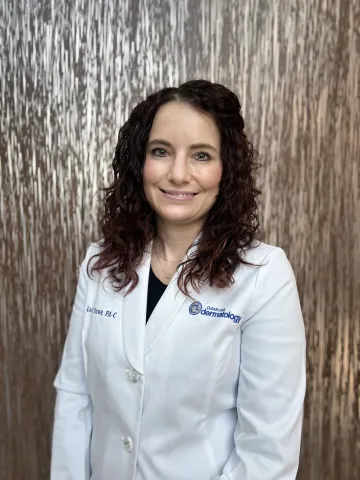
Watch Lauren's Introduction Video Here
Read Lauren's CV Here
Statement of Introduction
I am honored to be considered for the position of Director-at-Large for the Society of Dermatology Physician Assistants (SDPA). Over the past eleven years as a dermatology physician assistant, I have built my career around clinical excellence, mentorship, education, and service to our profession. The SDPA has played a meaningful role in my professional development, and I am eager to give back in a greater capacity by serving on the Board of Directors.
Throughout my career in dermatology, I have been deeply committed not only to patient care but also to advancing the knowledge and confidence of my colleagues. I have mentored pre-PA students, PA students, and newly hired dermatology PAs, recognizing that strong mentorship is foundational to building capable, ethical, and confident clinicians. These experiences have reinforced my belief that our profession thrives when we intentionally invest in those entering and growing within our specialty.
My leadership journey within the SDPA began with service on the CME Committee, where I have volunteered for approximately seven years. During that time, I served as vice chair for two years and co-chair for two years. In these roles, I collaborated closely with fellow leaders to construct comprehensive lecture topics, identify expert speakers, and ensure that our conference programming remained relevant, innovative, and aligned with evolving dermatologic practice. This experience has given me valuable insight into the operational and strategic considerations required to deliver high-quality educational experiences to our members. I bring to the Director-at-Large position a strong understanding of how critical CME and national conferences are to professional growth, clinical competence, and member engagement.
In addition to my national involvement, I have also served on the Board of Directors for the Texas Dermatology Physician Assistants (TXDPA) for the past two years. I was involved in helping establish the organization and have contributed to the planning and execution of two highly successful state conferences. This experience has strengthened my appreciation for collaboration between national and state organizations and highlighted the importance of maintaining strong connections with state affiliates and local chapters. If elected, I would advocate for continued partnership and communication between the SDPA and state societies to ensure alignment of goals and shared success.
Advocacy remains one of the most pressing priorities for dermatology PAs. Legislative challenges at both state and federal levels continue to impact our ability to practice to the full extent of our training. I believe the SDPA must remain actively engaged in advocacy efforts—sending representatives to legislative discussions, supporting bills that protect and advance our scope of practice, and ensuring that dermatology PAs are accurately represented in public and professional spaces. I am committed to supporting these initiatives and helping amplify the voice of our members.
Looking toward the future, I am particularly passionate about developing a formal leadership pipeline within the SDPA. Establishing a structured leadership pathway would create opportunities for members who are interested in serving but may not know where to begin. By intentionally cultivating future leaders, we can build a sustainable pipeline that ensures the strength and longevity of our organization. Similarly, I would like to see continued development of a structured mentor–mentee program. Mentorship has shaped my own career, and I believe an accessible, organized mentorship network would provide tremendous value to early-career dermatology PAs and those transitioning into our specialty.
Fostering diverse viewpoints and equitable engagement within SDPA leadership is also important to me. I believe in creating environments where all members feel comfortable sharing their perspectives. Encouraging open dialogue, empowering committees to contribute meaningfully, and actively inviting members to participate in leadership roles will strengthen our society. At conferences and meetings, I make it a priority to encourage members to join committees and become involved, while also recognizing and celebrating the contributions of those already serving. Engagement builds ownership, and ownership builds a stronger organization.
Collaboration beyond our specialty is another opportunity for growth. I believe dermatology PAs can benefit greatly from continued partnership with other PA specialty organizations and the AAPA. By working together on shared advocacy goals and professional initiatives, we amplify our collective impact. The more aligned and unified we are as a profession, the more progress we can achieve at both state and national levels.
Additionally, I serve as a speaker for several pharmaceutical companies, providing education to dermatology PAs on emerging therapies and innovative treatment options. This role has allowed me to stay at the forefront of therapeutic advancements while helping colleagues translate new evidence into practical patient care.
Ultimately, I am running for Director-at-Large because I want to further my leadership skills while continuing to give back to the SDPA and the dermatology community that has given so much to me. I bring experience in CME development, state and national leadership, mentorship, and organizational growth. I am committed to thoughtful collaboration, strategic vision, and ensuring that our society continues to evolve in ways that reflect the needs and values of its members.
It would be a privilege to serve the SDPA in this capacity, and I am dedicated to helping our organization grow, lead, and advocate effectively for dermatology PAs nationwide.
What would you like to see SDPA achieve during your time on the Board?
During my time on the SDPA Board, I hope to contribute to initiatives that strengthen our professional community, enhance member support, and advance the role of dermatology PAs nationwide. One of my primary goals is the development of a structured mentor–mentee program that connects new or transitioning PAs with experienced clinicians. A formal mentorship network would provide invaluable guidance, support professional growth, and help ease the transition into dermatology for those without direct access to seasoned mentors.
In addition, I would like to help establish a Leadership Academy within the SDPA. Creating a dedicated leadership development pathway would empower members who are interested in organizational engagement, advocacy, and committee participation. By investing in emerging leaders, we can build a sustainable and diverse pipeline of individuals ready to serve the profession in meaningful ways.
Strengthening connections with state affiliates and local chapters is also a priority. Improved collaboration, communication, and resource sharing between the SDPA and state organizations will help ensure greater cohesion across the profession and foster a stronger sense of community. Supporting state-level groups also enhances our ability to address regional needs and expand opportunities for local engagement.
Finally, I hope to see the SDPA continue—and deepen—its involvement in dermatology- and PA-related legislative efforts. Advocacy is essential for protecting our scope of practice, improving patient access to care, and positioning dermatology PAs as essential contributors within the healthcare system. Having a unified, active voice at the policy level will benefit both our profession and the patients we serve. Overall, I aim to support initiatives that strengthen our foundation, expand our reach, and invest in the future of dermatology PAs.
Why are you interested in serving on the SDPA Board of Directors?
My interest in serving on the SDPA Board of Directors as a Director-at-Large stems from a deep commitment to the dermatology PA profession and a genuine desire to contribute to the continued growth and evolution of an organization that has played such a meaningful role in my own career. Over the past several years, I have had the privilege of volunteering within the SDPA—most notably through the CME Committee—and this experience has strengthened both my appreciation for the organization’s mission and my enthusiasm for serving in a broader leadership capacity.
One of my primary motivations for serving on the Board is the opportunity to further develop my leadership skills. The SDPA has provided me with invaluable professional experiences, mentorship, and community, and I feel a strong responsibility to give back in a way that supports its ongoing advancement. Serving on the Board offers a unique platform to expand my leadership abilities while contributing to work that directly impacts thousands of dermatology PAs across the country.
I am also passionate about helping the SDPA continue to grow in ways that reflect the values, priorities, and diverse needs of its members. As the profession evolves, it is essential that the organization remains adaptable, member-focused, and committed to supporting both new and experienced PAs. I hope to play a role in ensuring that the SDPA continues to incorporate ideas and initiatives that matter most to its community—whether related to education, advocacy, mentorship, or professional development. Having spent many years involved in CME development, I bring a strong understanding of the critical role that high-quality continuing education and conferences play within our specialty. I hope to contribute this perspective to the Board, ensuring that educational programming remains innovative, relevant, and accessible. Strong CME is foundational to maintaining excellence in patient care, and I am committed to supporting the SDPA in delivering exceptional learning opportunities.
Finally, I want to serve as an example for others who may be considering SDPA leadership. Many of my own mentors inspired me by demonstrating the impact that engaged, dedicated volunteers can have on the profession. By serving on the Board, I hope to inspire more dermatology PAs—especially early-career clinicians—to step forward, share their strengths, and help shape the future of our organization. In all, my goal is to contribute thoughtfully, lead collaboratively, and support the SDPA as it continues to grow, innovate, and serve its members.
How would you help foster diverse viewpoints, equitable engagement, and a welcoming environment among SDPA leadership and membership?
As a member of the SDPA leadership, I would prioritize creating an environment where all voices are welcomed, valued, and encouraged. I believe that fostering diversity within our leadership, committees, and overall membership begins with actively inviting people to share their perspectives. By encouraging individuals to voice their opinions—especially those who may be newer to the organization or hesitant to speak up—we can ensure that a wider range of experiences and viewpoints inform our decision-making. Diversity of thought not only strengthens our organization but also promotes innovation and inclusivity.
I would also work to ensure that each committee within the SDPA feels empowered to contribute meaningfully to the organization’s goals. Committees are the foundation of our work, and their members often bring specialized insight that is essential for growth. By advocating for open communication between committees and leadership, and by recognizing committee accomplishments, we can reinforce a sense of value and belonging among volunteers.
Equitable engagement also requires active outreach. At every gathering, meeting, and conference, I would make it a priority to encourage members who are not yet involved to consider joining a committee. Participation fosters connection, and many people simply need a personal invitation or reassurance that their contributions matter. For current committee members, I would continue to acknowledge and celebrate their efforts, reinforcing the importance of their work and the impact they have on the SDPA.
By fostering open dialogue, supporting committee engagement, and actively welcoming new participants, I aim to help cultivate a leadership culture that is diverse, inclusive, and truly representative of our membership.
What do you believe is the biggest challenge facing the dermatology PA profession today, and how should SDPA address it?
One of the biggest challenges facing the dermatology PA profession today is the ongoing state and federal legislative barriers that limit PAs from practicing to the fullest extent of their training and expertise. These restrictions not only impact the professional growth of dermatology PAs but also limit patient access to high-quality dermatologic care—especially in underserved or high-demand regions. As the healthcare landscape evolves, it is crucial that dermatology PAs are recognized and supported as essential providers within the specialty.
To address this challenge, the SDPA must continue to take an active, visible role in legislative advocacy. This includes sending knowledgeable representatives to state and federal meetings, participating in policy discussions, and strengthening relationships with lawmakers. Ongoing advocacy ensures that the PA voice is represented when decisions affecting our profession are being made.
The SDPA should also continue to support or help craft legislation that protects and expands the ability of dermatology PAs to practice effectively and autonomously within their scope. Public and professional understanding of what dermatology PAs are capable of is equally important. The SDPA should work to elevate the visibility of PAs through strategic communication, including patient-education campaigns and collaborations with healthcare partners. Additionally, the organization must continue to respond to, counter, and correct publications, articles, and social media posts that misrepresent or undermine the role of dermatology PAs. Clear, evidence-based messaging will help ensure that both patients and policymakers recognize the value PAs bring to dermatologic care.
Through strong advocacy, accurate representation, and persistent engagement, the SDPA can help secure a future where dermatology PAs can practice at their full potential.
What do you believe is the greatest opportunity for dermatology PAs, and how should SDPA leverage it?
I believe the greatest opportunity for dermatology PAs lies in strengthening collaboration with PA groups across other specialties as well as with the AAPA. Healthcare is becoming increasingly interdisciplinary, and PAs across specialties share many of the same goals: expanding patient access, protecting scope of practice, and elevating the visibility and credibility of the PA profession. By working more closely with other PA organizations, dermatology PAs can benefit from collective knowledge, shared advocacy efforts, and a unified voice that carries more weight at both state and national levels.
The SDPA is well positioned to facilitate this collaboration. One effective approach would be to increase regular communication and joint initiatives with leaders from other PA specialty societies and the AAPA. Meeting with these leaders—whether through scheduled roundtables, joint conferences, or shared task forces—would allow for coordinated advocacy strategies and open dialogue about shared challenges. Such collaboration could lead to stronger coalitions, aligned policy goals, and broader support for legislative efforts that affect PAs across disciplines.
For SDPA members, this interdisciplinary partnership would bring significant benefits. It would create opportunities for shared educational resources, strengthen the profession’s collective advocacy efforts, and highlight the essential role dermatology PAs play within the larger healthcare system. The more we work together, the more we can achieve—whether improving patient access, protecting our profession, or advancing national recognition of PAs.
By embracing collaboration and fostering strong relationships across specialty lines, the SDPA can help ensure that dermatology PAs continue to grow, influence policy, and lead within the PA community.
Kirsten Kuhn, MPAS, MPA, PA-C

Watch Kirsten's Introduction Video Here
Read Kirsten's CV Here
Statement of Introduction
My name is Kirsten Kuhn, and I am running for the Director-at-Large position on the SDPA Board. I’ve been a Dermatology PA for nearly a decade, and I am proud of our profession and the role we play in delivering high-quality, comprehensive care. I am committed to strengthening our future and helping our profession advance and thrive in a rapidly evolving healthcare landscape. I am running for this position because I care deeply about the future of PA practice and the patients we serve, and I believe that strong, thoughtful advocacy is essential to moving us forward.
I currently practice medical and cosmetic dermatology in western Colorado, where I care for a wide range of patients from all walks of life. My daily clinical work keeps me grounded in many of the current realities facing Dermatology PAs: growing patient demand, workforce pressures, reimbursement challenges, administrative complexity—including insurance barriers and prior authorizations—as well as variability in state practice environments.
After years in clinical practice, I returned to graduate school at Princeton University to earn a Master of Public Affairs with a focus in Health Policy. I wanted to better understand the broader systems in which we practice—how policy, reimbursement, and workforce decisions shape patient care and the future of our profession.
I have been actively involved in the SDPA through service and advocacy for several years. I currently serve as Vice Chair of the Government Affairs and Advocacy Committee, and as the SDPA representative to the AAPA House of Delegates. In these roles, I have worked to support policies that protect PA practice, improve access to dermatologic care, and ensure Dermatology PAs have a strong voice in broader healthcare conversations. Advocacy is essential to our profession’s future, and I am committed to helping the SDPA remain proactive and influential.
Service and mentorship are also central to my professional identity. I am passionate about supporting students and early-career PAs as they develop into confident clinicians and future leaders, and I enjoy volunteering as a clinical preceptor. I also serve on the Board of Directors of The Sun Bus, a mobile skin cancer screening nonprofit dedicated to providing free skin cancer screenings, sun safety education, and facilitating research.
As SDPA Director-at-Large, I would focus on several priorities:
First, strong advocacy and professional representation. Dermatology PAs must remain unified, visible, and proactive in a rapidly evolving healthcare landscape.
Second, meaningful support for members across all career stages. Our members benefit from education, mentorship, leadership development, and opportunities to stay engaged within the SDPA.
Third, fostering a collaborative, inclusive culture within our organization. The SDPA is strongest when members feel heard, valued, and connected.
I believe effective leadership begins with listening and is strengthened by thoughtful action and transparent communication. I bring clinical experience, advocacy leadership, policy insight, and a deep respect for the PA profession. My approach is research-based, collaborative, and focused on long-term sustainability and advancement.
It would be a privilege to serve as Director-at-Large and to help advance the mission of the SDPA, and I would be honored to have your vote.
Thank you for your time and consideration.
What would you like to see SDPA achieve during your time on the Board?
If elected to the Board, I would like to see SDPA continue to strengthen its role as a practical, trusted resource for dermatology PAs while remaining responsive to how our profession and the overall healthcare environment is evolving.
One priority is clarity and consistency in how the dermatology PA role is understood and communicated. Clear, accurate messaging about scope, training, and patient care helps ensure that DermPAs are appropriately recognized and utilized across practice settings. This is especially important in a competitive workforce environment, where employers and the public may not always fully understand the distinct training and value that PAs bring to patient care. I would like to see SDPA continue to articulate our contributions and advocate for our role in a way that is accurate and grounded in members’ real-world experiences.
From an advocacy perspective, I would like SDPA to continue advancing thoughtful, member-informed policy priorities that protect and expand patient access to dermatologic care and support the sustainability of dermatology PA practice. This includes staying engaged on issues that affect daily practice while maintaining strong relationships with partner organizations and stakeholders.
I would also like to see SDPA continue to invest in member engagement and leadership development. This includes transparent pathways for involvement, accessible committee opportunities, and mentorship for early- and mid-career DermPAs. Strengthening these pipelines helps ensure SDPA leadership reflects the diversity of the membership and supports long-term organizational continuity.
Finally, I would like to see SDPA continue to operate with transparency and accountability, making it clear how decisions are made and how member input shapes organizational priorities. A strong, trusted professional society is one where members feel heard, informed, and confident in the direction of the organization.
Why are you interested in serving on the SDPA Board of Directors?
Ultimately, I am seeking Board service because I care deeply about the SDPA and the Dermatology PA community. I believe in the importance of a strong, member-driven professional society, and I would be honored to help SDPA continue to support, represent, and advocate for Dermatology PAs now and in the future. I am also interested in serving on the SDPA Board of Directors because I have genuinely valued my time in SDPA leadership, and I would like to continue contributing to the organization in a broader governance role.
Through my service on the Government Affairs and Advocacy Committee and as a Delegate to the AAPA, I have seen firsthand how SDPA’s work directly supports dermatology PAs. These roles have given me insight into how advocacy, communication, and collaboration at the organizational level translate into real-world impact for members. They have also reinforced my interest in becoming more involved in SDPA’s leadership and long-term direction.
I am particularly interested in helping SDPA remain responsive to the diverse needs of its membership within a rapidly evolving healthcare landscape. Dermatology PAs practice in a wide range of settings and career stages, and members are navigating increasing clinical demands alongside evolving policy, regulatory, and workforce pressures. I believe the Board plays a critical role in listening to members and providing practical value through advocacy, education, and leadership development.
My background in health policy has shaped how I approach leadership, with an emphasis on collaboration, transparency, and follow-through. As my term as a Senior Delegate winds down, I am eager to continue my involvement in SDPA leadership. I value continuity and institutional knowledge, and I am motivated by the opportunity to help guide SDPA’s priorities using experience gained through prior roles.
I believe strongly in the value that Dermatology PAs bring to patient care and to the healthcare system more broadly, and I’m motivated to help SDPA continue advancing our profession.
How would you help foster diverse viewpoints, equitable engagement, and a welcoming environment among SDPA leadership and membership?
Fostering diverse viewpoints, equitable engagement, and a welcoming environment within SDPA starts with recognizing the wide range of backgrounds, life experiences, career stages, practice settings, geographic locations, and professional priorities represented across our membership. Creating space for those differences strengthens the organization and leads to more thoughtful, inclusive decisionmaking.
As a leader, I would aim to focus on intentional listening and transparency. That means actively seeking input from members who may not typically speak up, like early-career DermPAs, those in rural or underserved settings, as well as those who hold differing views on policy or professional direction. Providing clear, accessible channels for feedback and showing how member input informs SDPA decisions helps build trust and encourages engagement.
Equitable participation also requires lowering barriers to involvement. Leadership opportunities, committee work, and mentorship pathways should be structured so that members with limited time, varying schedules, or nontraditional career paths can still meaningfully contribute. Clear expectations, flexible participation options, and transparent selection processes help broaden who feels welcome to step forward.
Finally, creating a welcoming environment means fostering and modeling respectful dialogue and curiosity, particularly when perspectives differ. Organizations are strongest when disagreements are discussed openly and professionally. Creating space for such discussion ensures that members feel heard and respected.
What do you believe is the greatest opportunity for dermatology PAs, and how should SDPA leverage it?
The greatest opportunity for Dermatology PAs is to be recognized—and fully utilized—as highly trained clinicians who deliver excellent dermatologic care and expand patient access.
As demand for dermatology services continues to grow, Dermatology PAs are well positioned to practice at the top of their training across a wide range of clinical settings, providing efficient, high-quality care that supports both patients and practices. Ensuring that employers and patients clearly understand the training, experience, and value PAs bring to the table is essential to the profession’s continued growth.
Additionally, access to dermatologic care remains limited in many parts of the country, particularly in rural and underserved areas. Dermatology PAs can help address these gaps–and many already do, managing complex conditions, performing procedures, and serving as consistent points of care for patients every day. As the specialty becomes more competitive and care models evolve, there is a clear opportunity for DermPAs to further demonstrate their value through clinical excellence, leadership, mentorship, and advocacy within the profession.
SDPA can leverage this opportunity by continuing to invest in professional development and leadership pathways that reflect the extent of dermatology PA training. Supporting high-quality education, mentorship, and clear avenues for involvement helps ensure that we are prepared to meet patient needs while also advancing professionally. Likewise, SDPA can strengthen the visibility of Dermatology PAs by reinforcing our role to employers, industry, policymakers, and the public. By elevating member voices, supporting thoughtful policy engagement, and providing resources grounded in real-world practice, this will help ensure that Dermatology PAs are recognized as an essential, valuable part of the workforce.
Margaret McKernan, DMSc, PA-C
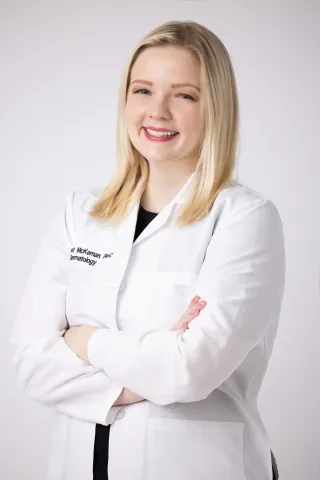
Watch Margaret's Introduction Video Here
Read Margaret's CV Here
Statement of Introduction
Hi! My name is Maggie McKernan, and I am a dermatology PA from Cleveland, Ohio. Like many of you, I spend my days in a busy clinic caring for patients and working to provide high quality medical care.
I have always been passionate about giving back and volunteering my time for the betterment of the PA profession. This year, I feel it is time to support dermatology PAs on an even greater scale through service with the SDPA. I am committed to being a servant leader within this organization, always keeping our strategic vision member-first and the PA profession at the forefront of everything we do. I bring to this leadership role passion, dedication, and an unwavering devotion to the SDPA mission of fostering professional growth, ensuring excellence in dermatologic care, and providing high-quality education that improves patient outcomes.
As a candidate for Director-at-Large, I am especially motivated by the opportunity to represent the diverse voices and experiences of our membership. I believe this role is essential in ensuring that SDPA remains responsive, inclusive, and connected to members at every stage of their professional journey. Whether someone is newly entering dermatology or has decades of experience, I want every member to feel supported, engaged, and proud to call SDPA their professional home.
I am deeply passionate about PA advocacy and dermatology education, and I take great pride in being an active and enthusiastic member of this society. One of my greatest priorities is strengthening member engagement and connection to help SDPA continue to grow as not only a source of excellent education, but also a true community for dermatology PAs.
For the past two years, I have had the honor of serving as President of the Ohio Society of Dermatology PAs. During this time, our organization has grown significantly, reaching a record number of members and expanding our educational offerings. We have hosted two successful annual conferences, organized several networking events, and supported members in pursuing publishing and speaking opportunities. This experience has reinforced my belief in the power of community-building and has strengthened my ability to lead collaboratively while keeping member needs at the center of decision-making.
In addition, I have been a dedicated volunteer with the SDPA for the past five years, serving in several committee chair roles. I have enjoyed planning CME conferences, assisting with the selection of the annual PA gift, connecting with fellow state affiliate leaders, and supporting national advocacy initiatives. Participating in the Leadership and Advocacy Summit on Capitol Hill and contributing to the AAPA House of Delegates has given me a broader perspective on the importance of SDPA’s role in advancing our profession. These experiences have provided me with a valuable understanding of SDPA’s structure and strategic priorities, and I feel ready to contribute at the Board level as Director-at-Large.
On a personal note, dermatology is truly a family passion—my younger sisters, who are twins, are also DermPAs. And as a fun fact, the “Maggie the Stingray” Squishmallow was named after me.
It would be an incredible privilege to continue serving SDPA in this capacity. I am excited about the opportunity to bring my experience, energy, and commitment to the Director-at-Large role, and to help ensure that SDPA remains a welcoming, supportive, and forward-thinking professional home for all members.
What would you like to see SDPA achieve during your time on the Board?
During my time on the SDPA Board, I would like to see measurable progress in implementing the SDPA strategic plan through its four pillars (knowledge, advocacy, leadership, and engagement) with the DermPA at the helm. A strategic plan is only as effective as its execution, and I believe the Board plays a critical role in ensuring that these pillars are not just guiding concepts, but active priorities that deliver meaningful outcomes for members.
Across all four pillars, my primary focus would be on strengthening initiatives that directly benefit DermPAs and reinforce the value of SDPA membership. Knowledge remains foundational, and I would support continued investment in high-quality, relevant educational programming that meets the evolving needs of DermPAs at every career stage. This includes not only conferences and the diplomate, but also accessible year-round educational resources that reinforce SDPA’s role as a trusted professional authority.
Advocacy is another area where I believe SDPA can continue to grow its impact. I am particularly interested in supporting advocacy efforts that protect and advance Dermatology PA practice at both the state and national levels. Clear communication of advocacy efforts and outcomes is essential, as members are more likely to engage when they understand how SDPA is actively working on their behalf.
Leadership and engagement are deeply interconnected, and mentorship is a key opportunity to strengthen both. I would like to see SDPA continue to expand mentorship programs that connect experienced Dermatology PAs with students, new graduates, and those transitioning into dermatology. Mentorship not only supports professional development, but also fosters long-term engagement and loyalty to the organization.
Ultimately, my goal would be to help SDPA grow its membership by increasing the tangible and perceived value of belonging to the organization through increased visibility of DermPA leadership and membership on all fronts. When members feel supported, represented, and invested in, engagement follows. By aligning mentorship and advocacy efforts with the broader strategic plan, SDPA can continue to build a strong, unified community that is positioned for sustainable growth and long-term success.
The SDPA has an opportunity to continue evolving into an organization that truly reflects the needs of its members. I would be honored to contribute to that progress.
Why are you interested in serving on the SDPA Board of Directors?
I am interested in serving on the SDPA Board of Directors because I believe strongly in servant leadership and in giving back to the professional community that has supported my own growth. Throughout my career, I have focused on leading by example, listening first, and working collaboratively to create meaningful, lasting impact. Serving on the SDPA Board represents an opportunity to extend that mindset beyond the state level and contribute at a national scale to the advancement of the DermPA community.
At the state level, I have already had the privilege of initiating and supporting positive change through advocacy, education, and engagement with OSDPA. These experiences have shown me how impactful and thoughtful leadership can be when it is grounded in service rather than personal recognition. As I reflect on those efforts, I see national service as a natural next step that allows me to help strengthen communication, representation, and professional development opportunities for DermPAs across the country.
Being nominated by my peers is both humbling and motivating. I view this nomination not simply as recognition, but as a call to action. It signals trust in my ability to listen, collaborate, and act in the best interests of the broader DermPA community. I take that responsibility seriously and am eager to contribute my time, energy, and perspective to help the SDPA continue to grow and evolve.
My leadership philosophy is rooted in the principles of servant leadership through prioritizing the needs of others, empowering colleagues, and fostering inclusive environments where diverse voices are heard and valued. I believe effective boards function best when members are willing to do the work behind the scenes, ask thoughtful questions, and make decisions that benefit the organization long-term rather than seeking individual visibility.
If given the opportunity to serve on the SDPA Board of Directors, my goal would be to support initiatives that enhance member engagement, promote professional excellence, and ensure that DermPAs nationwide feel connected, represented, and supported. I intend for the voice of the DermPA to be heard at all levels of our organization. I am excited about the possibility of working alongside fellow leaders who share a commitment to service, collaboration, the continued success of the DermPA profession and SDPA.
How would you help foster diverse viewpoints, equitable engagement, and a welcoming environment among SDPA leadership and membership?
Fostering diverse viewpoints, equitable engagement, and a welcoming environment begins with intentional listening and a genuine respect for differing perspectives. I am someone who values the opinions and thoughts of others and believes that meaningful discussion and thoughtful debate are essential to strong leadership. As a critical thinker, I approach decisions with curiosity and humility, recognizing that the best outcomes are often achieved when multiple viewpoints are considered and challenged constructively.
My leadership style is grounded in the understanding that perspectives evolve. I do not view my own opinions as fixed, but rather I see them as developing through exposure to new information, lived experiences, and ideas shared by others. This openness allows for more inclusive decision-making and creates space for individuals to feel heard, respected, and valued. Equitable engagement also requires ensuring that all voices have access to the conversation, not just those who are the most visible or outspoken. I believe leaders have a responsibility to actively invite participation, particularly from individuals who may feel underrepresented or hesitant to speak. Within SDPA leadership, I would encourage dialogue that welcomes differing opinions while maintaining a culture of professionalism and mutual respect.
From a membership perspective, my focus would be on listening to what members truly need and expect from their professional organization. SDPA exists to serve DermPAs, and its success depends on remaining responsive to its members. When members see that their feedback is acknowledged and meaningfully considered, engagement naturally grows. I am committed to helping foster an organization that operates “by DermPAs, for DermPAs,” where members feel a sense of ownership, belonging, and trust in their leadership.
Ultimately, I believe that embracing diverse perspectives strengthens SDPA’s ability to adapt, innovate, and advocate effectively. By leading with empathy, openness, and a commitment to service, I would strive to help create an inclusive culture where all DermPAs feel welcomed, represented, and empowered to contribute.
What do you believe is the biggest challenge facing the dermatology PA profession today, and how should SDPA address it?
I believe the biggest challenge facing the dermatology PA profession today is apathy. Specifically, I’ve noticed a growing disconnect between many PAs and the professional organizations that exist to advocate on their behalf. Dermatology PAs play a vital role in patient care, access, and outcomes, yet too many underestimate the collective power of engagement and advocacy. When PAs disengage, the profession’s ability to influence legislation, protect scope of practice, and advance professionally is weakened.
Apathy often stems from the perception that professional membership is simply another expense rather than an investment. Many PAs pay dues without seeing immediate or tangible value, leading to disengagement and frustration. This mindset is understandable, but it is also dangerous. The gains our profession has made and the protections we continue to rely on exist because of organized advocacy, representation, and sustained involvement. Without active participation, those gains are at risk.
The SDPA is uniquely positioned to address this challenge by clearly demonstrating value, relevance, and impact. First, SDPA must continue to communicate not just what it does, but why it matters. This can be achieved through connecting advocacy efforts, legislative wins, education, and networking directly back to how they improve daily practice for DermPAs. Members should understand that their dues are not passive fees, but fuel for meaningful change.
Second, SDPA should actively invite members into the process. Engagement grows when individuals feel ownership and see that their voices influence outcomes. Promoting our accessible pathways for involvement including committees, advocacy initiatives, mentorship, and feedback forum can help members move from passive observers to active contributors.
Finally, SDPA should reinforce professional pride. DermPAs should feel confident in their expertise, their contributions to healthcare, and their role within dermatology teams. A strong professional identity encourages participation and advocacy. When PAs recognize their value, they are more likely to stand up for their profession and support organizations that protect it.
I want PAs to see professional membership not as a cost, but as a shared commitment to one another, the profession, and the future of dermatology PA practice. By prioritizing transparency, engagement, and meaningful outcomes, SDPA can combat apathy and build a stronger, more unified DermPA community that is prepared to advocate effectively for the future.
What do you believe is the greatest opportunity for dermatology PAs, and how should SDPA leverage it?
I believe the greatest opportunity for dermatology PAs lies in strengthening the value proposition of professional membership and removing barriers to engagement. In an increasingly competitive educational and conference landscape, Dermatology PAs have more choices than ever for where to invest their time and money. This presents a challenge, but more importantly, an opportunity for SDPA to clearly differentiate itself as an organization that delivers tangible value beyond meetings and credits.
One of the most significant opportunities is leveraging sponsorship and partnerships to enhance member benefits. With strong industry relationships, SDPA has the potential to offset costs, expand programming, and make membership a “no-brainer” for Dermatology PAs at all career stages. When members see that their dues unlock meaningful benefits like education, advocacy, resources, and professional support, the perception of membership shifts from an expense to an investment.
Ultimately, SDPA’s greatest edge lies in its role as a nonprofit advocacy organization that exists to serve Dermatology PAs, not just educate them. Advocacy, professional representation, and long-term protection of practice rights must remain central to SDPA’s identity. When members understand that SDPA is actively working on their behalf year-round by advancing legislation, supporting scope of practice, and strengthening the profession, the value of membership becomes clear.
SDPA has a unique opportunity to position itself as more than a meeting or an educational provider. By focusing on value, accessibility, advocacy, and engagement, SDPA can grow a stronger, more connected membership base and ensure the continued advancement of dermPAs nationwide.
Kim Sanders, MPAS, PA-C
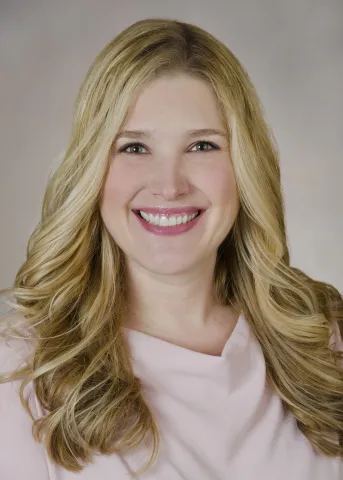
Watch Kim's Introduction Video Here
Read Kim's CV Here
Statement of Introduction
It is an honor to be nominated and considered for the position of Director-at-Large within the Society of Dermatology Physician Associates (SDPA). I have been practicing as a Dermatology PA since 2005 and joined the Oregon Health & Science University (OHSU) Department of Dermatology in 2008, where I have worked in academic dermatology ever since. Throughout my career, I have been committed to excellence in patient care and dedicated to leadership initiatives that advance and expand the role of Dermatology PAs.
Last year, I had the privilege of joining the SDPA Board of Directors as a Director-at-Large. Serving in this role has been an incredibly rewarding experience. Collaborating with such a talented and dedicated group of leaders has deepened my appreciation for the organization’s impact. With a one-year term, however, I feel I have only begun to fully understand the breadth and influence of SDPA—not only within the Dermatology PA community but also across the broader PA and dermatology professions. I would be honored to continue serving for an additional two years to further contribute in a meaningful and impactful way.
I have long been a proud member of SDPA and credit the organization with helping shape me into the dermatology leader I strive to be. SDPA offers tremendous opportunities for engagement, professional growth, and community building. Its leadership is motivated, visionary, and impactful. I am eager to continue contributing my experience and skills to help strengthen and advance the future of Dermatology PAs.
Beyond my involvement with SDPA, I have been actively engaged with the Oregon Society of Dermatology Associates (OSDA), an SDPA affiliate organization, since 2007. For the past 13 years, our team has organized a highly attended, one-day, eight-hour CME conference serving local dermatology advanced practice providers, students with an interest in dermatology, and physicians. This work has reinforced my commitment to education, collaboration, and professional development within our specialty.
My leadership experience also includes serving as Medical Director for my department at OHSU. In this role, I collaborate with departmental and university leadership to improve patient access, enhance quality of care, promote provider and staff wellness, and implement strategic initiatives. Additionally, I serve as Fellowship Director for our one-year dermatology APP fellowship program, where I have the privilege of mentoring and developing the next generation of dermatology providers.
I am seeking reelection as Director-at-Large because I am passionate about advancing the role of Dermatology PAs. I believe in supporting all DermPAs in practicing at the top of their scope and advocating for optimal team practice nationwide. I am committed to mentorship, leadership development, and strengthening our profession through advocacy, education, and collaboration.
I respectfully ask for your support as I continue my service as Director-at-Large. I remain dedicated to advancing SDPA’s mission, developing meaningful initiatives, and helping propel our organization—and our profession—forward.
Thank you for your consideration.
What would you like to see SDPA achieve during your time on the Board?
- Increased resources and alliance with state affiliate associations.
- Increased variety of educational and professional offerings to our members.
- Help with industry supported program development.
Why are you interested in serving on the SDPA Board of Directors?
It has been my honor to serve on the board for the last 6 months and I look forward to the next 6 months. I am fascinated by the process and engagement of the board but feel that I have not had enough time to adequately help provide meaningful change and would love to continue in my current roll so that I can continue to see out the initiatives that have been put in motion this year. SDPA has made a significant impact on my 20-year career as a DermPA and I want to pay it forward by serving in a capacity where I can help provide true improvement for the professional lives of all DermPA's.
How would you help foster diverse viewpoints, equitable engagement, and a welcoming environment among SDPA leadership and membership?
I have extensive experience working with a variety of different viewpoints from faculty, nursing, patient access support, managed care, management, and university leadership as the medical director for my department. This has enabled me to design and implement a variety of patient access, employee/provider satisfaction and departmental improvement initiatives and strategies. I feel this experience will translate well to the SDPA board.
What do you believe is the biggest challenge facing the dermatology PA profession today, and how should SDPA address it?
Insurance company dictation of therapeutic options which can be helped by advocacy efforts both nationally and at the state level.
What do you believe is the greatest opportunity for dermatology PAs, and how should SDPA leverage it?
I think the greatest opportunity for DermPA's is expanding knowledge and support of optimal team practice which increases access to care.
House of Delegates, Junior Delegate
Erin Ranaweera, MPAS, PA-C